Risk Management Framework for Super Adobe Hotel Construction Projects: A Comprehensive Case Study Analysis
Abstract
This paper presents a comprehensive risk management framework specifically designed for Super adobe hotel construction projects. Super adobe, a sustainable building technique utilizing soil-filled polypropylene bags, entails unique risks compared to conventional construction methods. This study develops a systematic approach, grounded in ISO 31000 risk management principles, to identify, assess, and mitigate risks in an 80-room Super adobe hotel project. The framework encompasses categories of structural, financial, operational, strategic, marketing, health and safety, tourism, environmental sustainability, and legal/regulatory risks. A total of 53 distinct risks were identified and classified using a Risk Breakdown Structure (RBS). Risk assessment was conducted through probability–impact matrices and quantitative financial impact analysis, revealing potential financial risks exceeding USD 20 million. The study proposes practical risk response strategies, including mitigation, avoidance, transfer, and acceptance approaches. Early warning indicators and monitoring systems are established to ensure effective risk control throughout the project life cycle. This research contributes to the limited literature on risk management for sustainable construction projects and provides a replicable framework for similar developments in the field of eco-tourism.
Keywords:Risk managementProject managementSuper adobeEarthbag constructionsustainable hotelsISO
31000.
1. Introduction
The hospitality industry is increasingly adopting sustainable construction practices, driven by travelers’ demand for environmental responsibility and by regulatory requirements for green building standards [1]. Super adobe construction, based on earthbag techniques, utilizes polypropylene or burlap bags filled with soil to create compression structures within a sustainable building process [2]. This method offers superior sustainability benefits, lower costs, and enhanced thermal performance compared to conventional construction practices [3]. However, implementing Super adobe construction in commercial hospitality projects introduces unique challenges distinct from residential applications, necessitating tailored risk management strategies [4]. Current research on risk management in commercial earthbag construction indicates the need for systematic approaches to address these specific challenges [5].
This study aims to fill this knowledge gap by establishing a comprehensive risk management system for Super adobe hotel construction projects. The proposed framework, grounded in proven risk management methodologies, focuses on identifying, assessing, and controlling the risks that may affect an 80-room Super adobe resort hotel project. Beyond the risk management of an individual project, this research addresses the broader challenge of commercializing a sustainable innovation. It provides a structured approach for managing the inherent uncertainties in transferring sustainable construction technologies into the mainstream industry.
2. Literature Review
2.1 Earthbag and Super Adobe Construction
Earthbag construction was pioneered by architect Nader Khalili through a process of filling polypropylene or burlap bags with soil mixtures and stacking them in layers reinforced with barbed wire [5], [6]. Extensive mechanical tests on earthen materials have demonstrated that earthbag structures, when designed according to proper engineering principles, can achieve adequate compressive strength levels suitable for low-rise buildings. A life cycle assessment study [3] highlighted the significant environmental benefits of earth-based buildings, emphasizing that proper moisture control and structural design play a critical role in ensuring their long-term performance.
2.2 Risk Management in Construction Projects
The field of construction project risk management employs structured approaches to identify, assess, and manage project uncertainties. Foundational work [7] established key principles for construction risk assessment, emphasizing the importance of systematic risk identification and quantitative evaluation techniques. The implementation of international standards such as ISO 31000 has further enhanced risk management practices [4], [8].
2.3 Risk Management in the Hospitality Industry
The hospitality industry faces specific risks that threaten guest safety, service quality, and brand reputation [9]. Hospitality projects must integrate construction-related risks with operational risks to ensure successful development. Studies have shown that modern hospitality projects are highly dependent on sustainability risks and stakeholder demands [1]. In addition, Hotel construction projects that operate internationally need to implement unique risk management strategies because of their complex nature [10].
2.4 Risk Management in Sustainable Construction
With evolving environmental regulations and market requirements, risk management practices that incorporate sustainability elements have gained increasing importance. Research [11] confirmed that stakeholder engagement is a critical factor for success in sustainable projects. Construction projects located in historic tourism areas must address particular social and environmental threats, requiring unique risk assessment protocols [12].
While the research literature has independently examined risks in construction, hospitality, and sustainable projects, there remains a notable gap in studies that integrate these three domains to address the multifaceted challenges of a sustainable hospitality project at a commercial scale employing unconventional construction techniques such as Super adobe. This study seeks to bridge this gap by proposing a comprehensive risk management framework.
3. Methodology
3.1 Development of the ISO 31000-Based Risk Management Framework
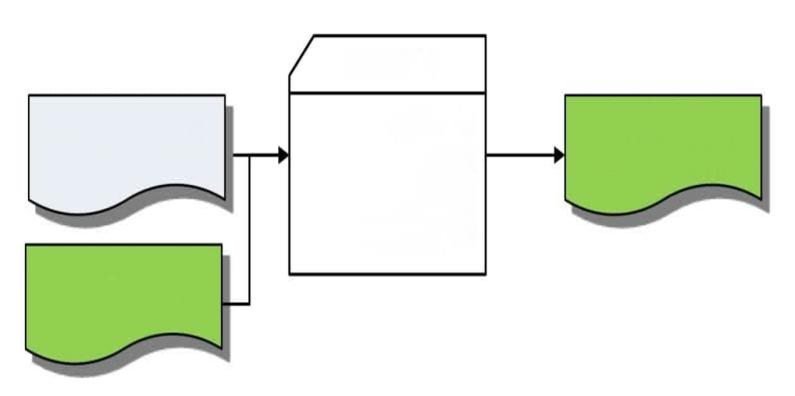
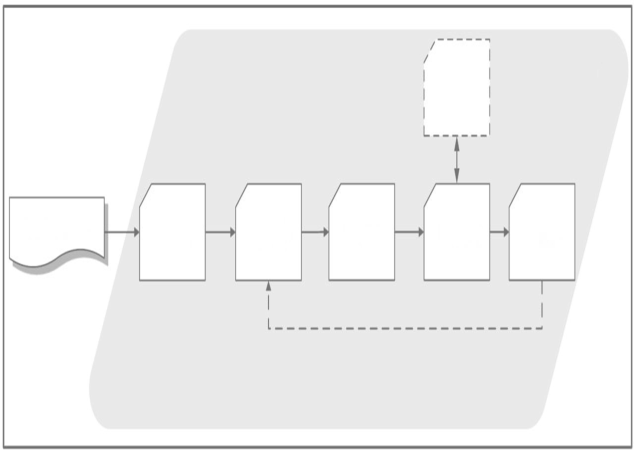
This study adopts the principles of ISO 31000 risk management as the foundation for developing a Super adobe hotel–specific framework [1]. The framework was guided by the key principles of ISO 31000: the “project planning” phase in our framework corresponds to the “establishing the context” step in the standard, where objectives and risk thresholds were defined. The “risk identification and assessment” phase directly implements the standard’s “risk assessment” process. The methodology follows established practices for evaluating risks in construction projects, while incorporating adaptations for earth-based building techniques and the unique requirements of the hospitality industry.
This figure is shown in the PDF version of the article.
3.2 Case Study Approach
This research employs a comprehensive case study methodology centered on a proposed 80-room Super adobe resort hotel project. The case was selected due to its representative scale for commercial eco-tourism and the availability of primary design and financial documentation. The case study encompasses all project stages, from engineering and procurement to construction and operation, allowing for an examination of life cycle risks and their interdependencies. Data were collected through three main methods: 1) analysis of project documents, including architectural drawings and preliminary budget estimates, 2) semi-structured interviews with three project planners and two architects specializing in earth construction, and 3) a brainstorming workshop with the project team.
3.3 Risk Identification and Assessment Techniques
Risk identification was conducted using multiple techniques, including expert consultation, brainstorming sessions, and cause-and-effect analysis. A panel of five experts, two structural engineers with experience in earth construction, one hotel operations manager, one project finance specialist, and one sustainability consultant, was convened. Risks were initially identified through the nominal group technique and then analyzed using fishbone diagrams for each major risk category.
The assessment methodology integrated both qualitative probability–impact matrices and quantitative financial impact analysis:
I. Qualitative Assessment: A 5×5 probability–impact matrix was applied. Probability was defined on a scale from 1 (Rarely, <10%) to 5 (Almost Certain, >80%). Impacts were rated across cost, time, and quality dimensions on a scale from 1 (Insignificant) to 5 (Severe). The final risk score was calculated as the product of the probability rating and the maximum impact score.
This figure is shown in the PDF version of the article.
II. Quantitative Assessment: Predicted risk values were calculated using the Expected Monetary Value (EMV) analysis, with the formula:
EMV = Probability (%) × Financial Impact ($). (1)
Financial impacts were estimated based on expert judgment and preliminary cost data from the proposed project design.
4. Risk Management Framework
4.1 Determining the Level of Risk
Determining the risk levels is as follows: Individual or General, which means:
Individual risks of the project: There are certain conditions or events that may affect the project objectives. General risks of the project: It expresses the effect of uncertainty on the project. Also, the General risk of the project is more than the sum of the individual risks of the project.
4.2 Risk Breakdown Structure (RBS)
These risks are grouped based on their type, which helps make sure we think about all the different possibilities. In the following, we will prepare the list of Risk Breakdown Structure (RBS) of this project. Risk identification is the process of documenting any risks that could keep an organization or program from reaching its objective.
This figure is shown in the PDF version of the article.
A fishbone diagram is a visual way to look at cause and effect. It is a more structured approach than some other tools available for brainstorming causes of a problem (e.g., the Five Whys tool). The problem or effect is displayed at the head or mouth of the fish. A fishbone diagram helps team members visually diagram a problem or condition's root causes, allowing them to truly diagnose the problem rather than focusing on symptoms. It allows team members to separate a problem's content from its history and allows for team consensus around the problem and its causes. In the following, a fishbone diagram of financial risks is given as an example. The branches cover major categories of root causes that could lead to overall financial risks materializing, such as higher-than-expected costs or lower-than-projected revenues.
This figure is shown in the PDF version of the article.
4.3 Risk Analysis
Risk Analysis is a proven way of identifying and assessing factors that could negatively affect the success of a business or project.
This figure is shown in the PDF version of the article.
In the table below, descriptions of risk, risk code, likelihood of risk, risk rating, probability of occurrence, and predicted risk values will be mentioned, which are given additional explanations and required in the risk policy. A total of 53 distinct risks were identified and assessed using probability-impact matrices. High-priority risks (rating ≥15) requiring immediate attention include:
Table 1. Risk identification and assessment table.
This table is shown in the PDF version of the article.
I. Structural stability and durability (SlS04): Rating 15.
II. Project budget overruns (FP01): Rating 15.
III. Operational profitability (FO02): Rating 16.
IV. Insurance coverage gaps (FI04): Rating 20.
V. Business model viability (SBu01): Rating 20.
VI. Target customer awareness (MT01): Rating 20.
The quantitative analysis revealed total potential financial exposure exceeding $20 million across all risk categories, with business model viability and insurance gaps representing the highest individual exposures.
4.4 Risk Planning (Risk response methods)
Risk response strategies were developed using four primary approaches aligned with Project Management Institute guidelines [14]:
Table 2. Risk response methods table.
This table is shown in the PDF version of the article.
I. Mitigation Strategies (32 risks): Including structural monitoring programs, quality control protocols, staff training initiatives, and financial controls.
II. Transfer Strategies (8 risks): Comprehensive insurance coverage, contractor liability transfer, and financial hedging instruments.
III. Avoidance Strategies (4 risks): Weather scheduling optimization, structural design modifications, health protocol implementation, and site selection criteria.
IV. Acceptance Strategies (9 risks): Low-impact operational risks and market-driven factors beyond project control.
4.5 Monitoring and Control Framework
The monitoring framework establishes key performance indicators and early warning systems based on industry best practices for construction project control [15]. Critical indicators include work package completion rates, quality defect frequencies, budget adherence measures, and stakeholder satisfaction metrics.
5. Case Study Implementation
5.1 Critical Risk Analysis
Structural integrity management
Fishbone analysis identified multiple potential causes of structural issues, including inadequate soil stabilization, moisture intrusion, thermal cycling, and construction quality variations. Response strategies include specialized inspection schedules, moisture monitoring systems, and preventive maintenance protocols specifically designed for earthbag construction.
Financial viability assessment
Analysis revealed that operational profitability risks could significantly impact project success. Mitigation includes dynamic pricing models, diversified revenue streams, and conservative occupancy projections with detailed contingency planning.
Operational excellence planning
Guest experience management requires specialized approaches considering the unique characteristics of super adobe accommodations. Strategies include customized guest education programs, temperature comfort monitoring, and maintenance protocols adapted to earthbag construction requirements.
5.2 Framework Validation
Implementation of the framework demonstrated effectiveness in:
I. Systematic identification of previously unconsidered risks specific to earthbag construction II. Quantified financial exposure enabling informed decision-making III. Structured response planning with clear accountability assignments IV. Integrated monitoring systems providing actionable early warning capabilities
6. Discussion
6.1 Framework Contributions
This research provides several key contributions to construction risk management literature:
Risk mitigation framework for the commercialization of innovative sustainable construction: The framework successfully adapts established risk management principles to address the unique characteristics of earthbag construction, filling a significant gap in sustainable construction literature.
Hospitality sector application: Integration of construction and operational risk considerations addresses the complete project lifecycle, providing practical guidance for hospitality industry applications.
Quantitative assessment methodology: The combination of qualitative and quantitative risk assessment provides robust foundations for decision-making while acknowledging uncertainties inherent in innovative construction techniques.
6.2 Practical Implementation Considerations
Several factors affect framework implementation in practice:
I. Stakeholder engagement: Success requires active participation from all project stakeholders, including investors, contractors, operators, and regulatory authorities. The framework provides structured communication protocols to facilitate this engagement [16].
II. Resource requirements: Implementation requires dedicated risk management resources and specialized expertise in both earthbag construction and hospitality operations. Training and development programs may be necessary to build the required capabilities.
III. Regulatory coordination: Earth-based construction may face regulatory challenges in some jurisdictions, requiring proactive engagement with building authorities and code officials.
6.3 Limitations and Future Research
A number of limitations should be acknowledged:
I. Limited performance history: Super adobe construction in commercial hospitality represents an emerging application with limited long-term performance data, requiring conservative risk assessments and ongoing monitoring.
II. Regional variations: Soil conditions, climate factors, and regulatory environments vary significantly across potential project locations, requiring framework customization for specific applications.
III. Market evolution: Eco-tourism market dynamics continue evolving, necessitating regular updates to market-related risk assessments and response strategies.
IV. Future research should focus on developing standardized risk metrics for earth-based construction, conducting longitudinal studies of operational super adobe hotels, and investigating integration opportunities with emerging construction technologies.
7. Conclusion
This study successfully developed and validated a comprehensive risk management framework for super adobe hotel construction projects. The framework provides practitioners with systematic approaches to identifying, assessing, and managing risks associated with earth-based construction in commercial hospitality applications. Key contributions include a detailed risk taxonomy specific to super adobe construction, quantitative assessment methodologies adapted to sustainable building projects, and integrated approaches spanning construction and operational phases. The framework demonstrates that with proper risk management, super adobe construction can provide viable solutions for sustainable hospitality development while maintaining acceptable risk profiles.
Implementation guidance includes specific recommendations for stakeholder engagement, resource allocation, and regulatory coordination. The research establishes foundations for future developments in sustainable construction risk management and provides replicable methodologies for similar eco-tourism projects.
Authors' Contributions
The author solely conducted the research and prepared the manuscript and has approved its final version.
Funding
This work was carried out without financial support from any public, commercial, or non-profit organizations.
Data Availability
The data are available from the corresponding author upon reasonable request.
Conflict of Interest
There are no competing interests to declare.
Figures
References
- [1] Baratsas, V., & Tzavaras, P. (2023). Risk management practice in the tourism and hospitality industry. Proceedings of the 6th international conference on management, economics and finance. prague: Czech republic. erişim tarihi (Vol. 2, p. 2025). https://doi.org/10.33422/6th.icmef.2023.03.002
- [2] Walker, P., Keable, R., Martin, J., & Maniatidis, V. (2005). Rammed earth: design and construction guidelines. http://www.brebookshop.com/details.jsp?id=146813
- [3] Carrobé, A., Castell, A., & Martorell, I. (2024). Life cycle assessment comparison between an earthbag building and a conventional sahrawi cement blocks building. Materials, 17(5), 1011. https://doi.org/10.3390/ma17051011
- [4] Mills, A. (2001). A systematic approach to risk management for construction. Structural survey, 19(5), 245–252. https://doi.org/10.1108/02630800110412615
- [5] Miccoli, L., Müller, U., & Fontana, P. (2014). Mechanical behaviour of earthen materials: A comparison between earth block masonry, rammed earth and cob. Construction and building materials, 61, 327–339. https://doi.org/10.1016/j.conbuildmat.2014.03.009
- [6] Easton, D., & Wright, C. (2007). The rammed earth house. Chelsea Green Publishing. https://books.google.com/books?hl=en&lr=&id=HVLPAgAAQBAJ&oi=fnd&pg=
- [7] Akintoye, A. S., & MacLeod, M. J. (1997). Risk analysis and management in construction. International journal of project management, 15(1), 31–38. https://doi.org/10.1016/S0263-7863(96)00035-X
- [8] Raz, T., & Hillson, D. (2005). A comparative review of risk management standards. Risk management, 7(4), 53–66. https://doi.org/10.1057/palgrave.rm.8240227%0A%0A
- [9] Bednarska, M. (2004). Risk control methods in a hotel operation. Economics and business review, 4(1), 43–
- [51] https://doi.org/10.18559/ebr.2004.1.502
- [10] Fenech, N. (2006). Managing risks within international hotel construction projects. University of London, University College London (United Kingdom). https://www.researchgate.net/publication/319035329
- [11] Song, J., Munyinda, M., & Adu Sarfo, P. (2025). Examining the impact of risk management practices on sustainable project performance in the construction industry: The role of stakeholder engagement. Frontiers in built environment, 11, 1575827. https://doi.org/10.3389/fbuil.2025.1575827
- [12] Jokar, S., Shojaei, P., Askarifar, K., & Haqbin, A. (2024). Investigating social risks of construction projects in historic tourism sites in urban districts of developing countries: social network analysis approach. International journal of contemporary hospitality management, 36(2), 358–378. https://doi.org/10.1108/IJCHM-03-2022-0282
- [13] Starczyk-Kołbyk, A., & Jędras, I. (2025). Integrated risk assessment in construction contracts: comparative evaluation of risk matrix and Monte Carlo simulation on a high-rise office building project. Applied sciences, 15(17), 9371. https://doi.org/10.3390/app15179371
- [14] Guide, P. M. B. O. K. (2008). A guide to the project management body of knowledge. https://books.google.com/books/about/A_Guide_to_the_Project_Management_Body_o.html?id=KlNgPg AACAAJ
- [15] El-Sayegh, S. M., & Mansour, M. H. (2015). Risk assessment and allocation in highway construction projects in the UAE. Journal of management in engineering, 31(6), 4015004. https://doi.org/10.1061/(ASCE)ME.1943-5479.0000365
- [16] Muzorewa, M. (2024). Project management strategies used in hospitality construction projects to improve performance [Thesis]. https://scholarworks.waldenu.edu/cgi/viewcontent.cgi?article=16662&context=dissertations